-
Continue reading →: Bots in Cybersecurity: Why Zero Trust Is the Only Real Defense
Bots are more common today than at any point in the history of the internet. With the rise of AI and easy‑to‑use automation frameworks, spinning up a bot is no longer a task reserved for advanced attackers. Anyone with a few lines of Python or access to a proxy network…
-
 Continue reading →: Understanding CIS Benchmarks: A Practical Guide for Cloud and Security Teams
The Center for Internet Security (CIS) plays a foundational role in modern cybersecurity programs, especially for organizations aiming to strengthen their operational security posture. Yet many teams still wonder what CIS actually provides, how it differs from other frameworks, and how it applies to cloud environments like Azure. This post…
-
 Continue reading →: Trust Chains and Digital Security: A Simplified Guide to PKI Hierarchies
I wanted to give an overview of Public Key Infrastructure (PKI) with maximum abstraction — keeping the explanation simple and accessible — without losing the core integrity and technical correctness of how trust and certificate hierarchies truly work. This blog aims to demystify the essential concepts for readers new to…
-
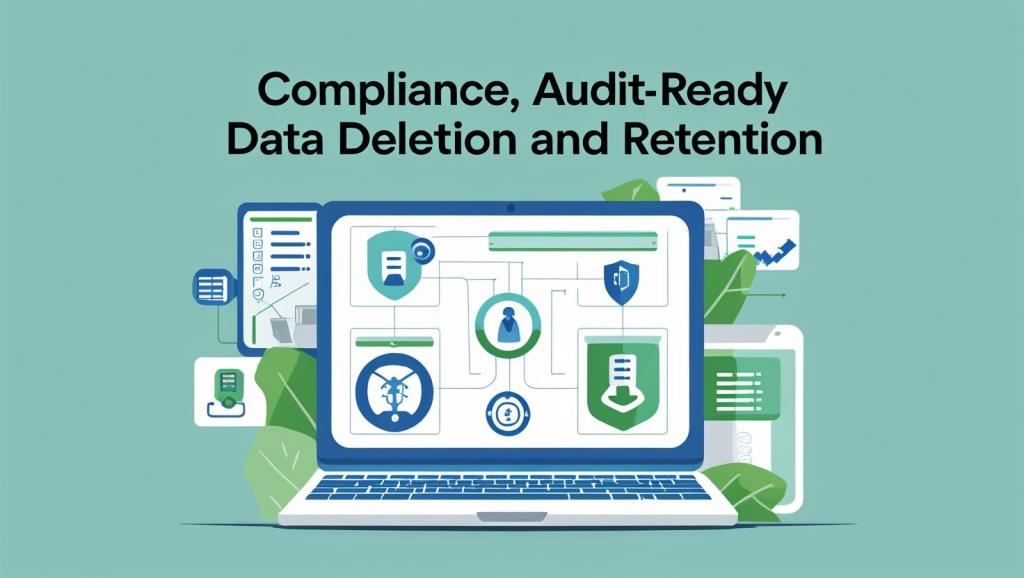 Continue reading →: Ensuring Compliance with Records Information Management (RIM): Audit-Ready Data Deletion and Retention Practices
Compliance adherence is an absolute priority in any data-handling environment, especially in industries with stringent regulations such as telecommunications or government sectors. A single misconfiguration can lead to data retention beyond the prescribed Records Information Management (RIM) timeframe. This can result in non-compliance, contractual penalties, or reputational risks. Why Retention…
-
 Continue reading →: Web Application Security: Addressing the Bot Challenge
Web Application Firewalls (WAFs)—especially the traditional variety—are highly effective at defending applications against the classic OWASP Top 10 threats. They are designed to detect and block exploit-based attacks. Examples include SQL injection and cross-site scripting. They work by identifying known malicious payloads. These payloads are essentially strings or patterns within…
-
 Continue reading →: Security Awareness Lapses and Their Regulatory Implications
Organizations have numerous regulatory control requirements and frameworks. These can be used to identify and address risks in their infrastructure and applications. These standards often serve as references during audits and certification processes. When core security principles are implemented alongside technical controls, safeguards often align with specific regulatory frameworks. Many…
-
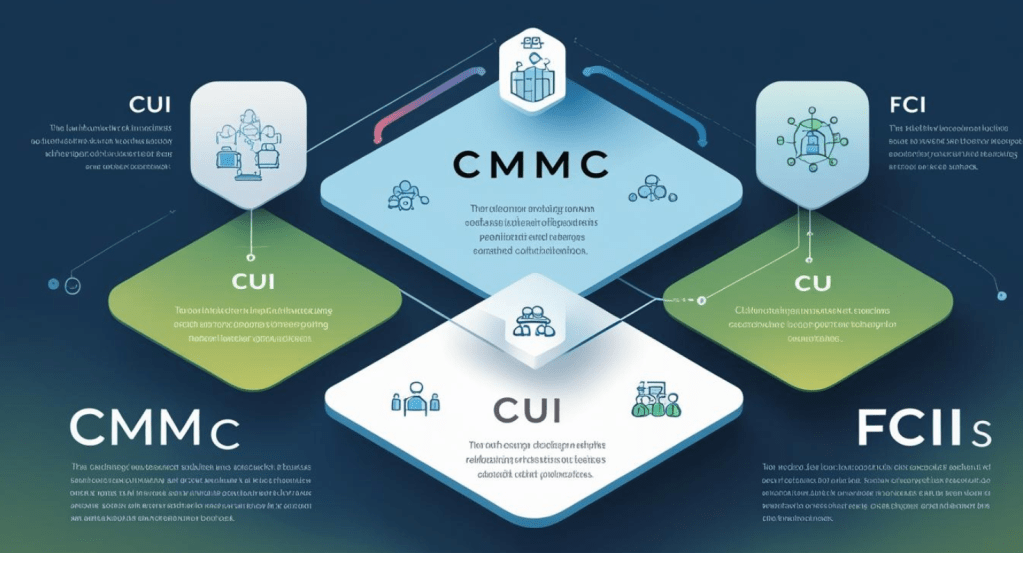 Continue reading →: Compliance in Context: CMMC, CUI, and FCI Essentials
In response to developments in the cybersecurity landscape, the U.S. government has updated its policies for organizations that work with sensitive government information. It has established more defined expectations for safeguarding such data. Organizations involved in federal contracting—including at the subcontractor level—need to adopt advanced cybersecurity controls. They may also…
-
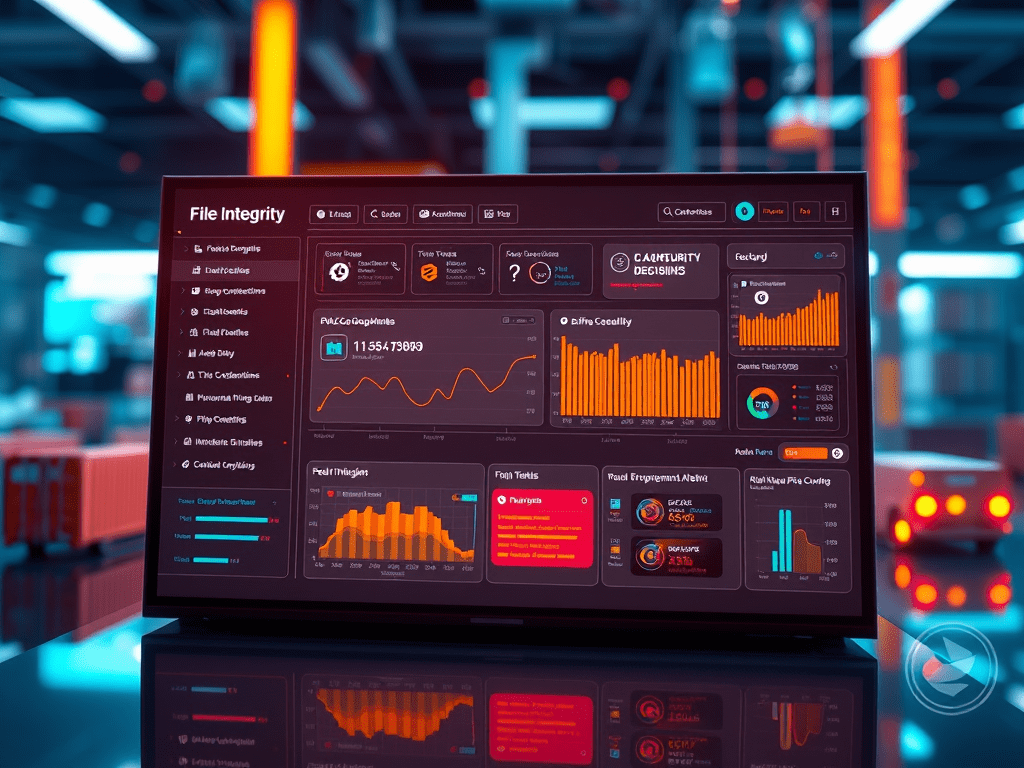 Continue reading →: Harden and Monitor: FIM is the Missing Link in Container Security
Modern cloud-native environments increasingly rely on containerized workloads—from microservices to business applications. Containers, designed for speed and portability, are ephemeral but not inherently immutable at runtime. This means files inside containers—including application code, configs, and even critical system files—can be modified during their lifecycle. For security teams, FIM is no longer optional. It is a…
-
 Continue reading →: Why Open Source License Handling Is a Security Issue—Not Just a Legal One
When most people think of open source software, they picture rapid innovation and lower costs. But there’s a crucial aspect that often gets overlooked: license compliance. It’s easy to see licenses as just legal fine print. Yet, the way your organization handles open source licenses is deeply connected to your…
-
 Continue reading →: Why Modern WAFs Must Secure Both Web and API Traffic
The rapid adoption of microservices, mobile apps, and SaaS platforms has made APIs a prime target for attackers. Recent industry reports show that API-specific attacks now account for a significant portion of web application breaches. These attacks often exploit issues like broken authentication. They also exploit excessive data exposure and lack…
Hello,
Welcome to InfoSec Journey!
I’m glad you’re here. This is a friendly space where you can explore cybersecurity at your own pace—whether you’re curious about network, application, or cloud security, or just want to stay updated with the latest trends. You’ll find easy-to-follow tips, practical insights, and helpful resources to support you, no matter where you are on your security journey. Let’s learn and grow together in today’s digital world!
Let’s connect
Stay Connected!
Stay connected with us—subscribe to our newsletter for regular updates and valuable insights, sent with your interests in mind.
 Infosec Journey