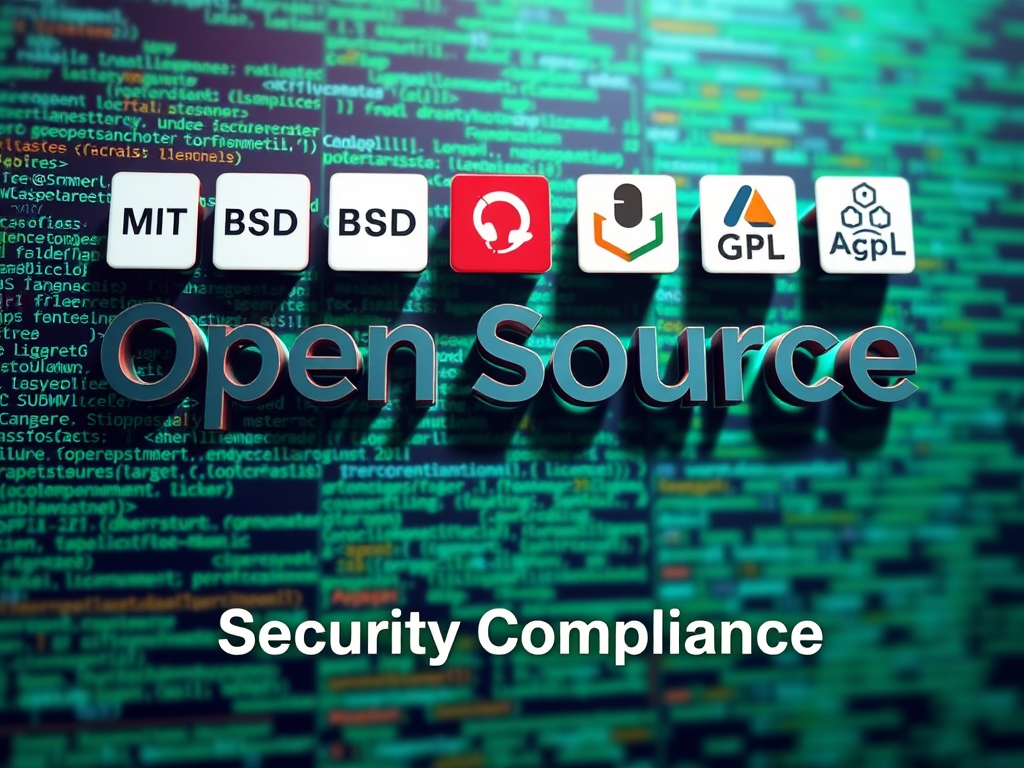
When most people think of open source software, they picture rapid innovation and lower costs. But there’s a crucial aspect that often gets overlooked: license compliance. It’s easy to see licenses as just legal fine print. Yet, the way your organization handles open source licenses is deeply connected to your overall security posture. It also affects your risk management.
License management isn’t just about keeping the legal team happy. A single violation—such as misusing strong copyleft code like the GPL—can force your company to disclose proprietary source code. It also requires you to pull or rewrite critical components on short notice. You might even face lawsuits and public scrutiny. These disruptions don’t just threaten your legal standing; they can introduce new vulnerabilities, destabilize your operations, and damage your reputation.
Understanding the different types of licenses is essential.
- Permissive licenses, like MIT, BSD, or Apache 2.0, are generally the safest choice for organizations building commercial products. They allow you to use, modify, and redistribute code with minimal obligations—usually just retaining the original license and notices.
- In contrast, strong copyleft licenses like GPL or AGPL carry significant obligations. If you distribute software based on GPL code, you’re required to release your entire source code under the same license. AGPL extends this requirement even to software accessed over a network.
- Weak copyleft licenses, like LGPL or MPL, are less restrictive. They typically require only that modifications to the open source component itself be shared. You do not need to share your entire application.
Why Security Teams Should Care
Modern security frameworks recognize that license compliance is part of supply chain security:
- NIST SP 800-53: Mandates a continuously updated inventory of all software components and their licenses.
- OWASP Software Component Verification Standard (SCVS): It recommends automated identification and management of all components. This includes licenses and vulnerabilities as part of a secure SDLC.
Ignoring license obligations can lead to rushed code changes or emergency removals—prime opportunities for new vulnerabilities to slip in. Worse, a legal dispute can force you to reveal sensitive code, putting your intellectual property and competitive edge at risk.
Failing to comply with open source license obligations has led organizations across industries to face substantial penalties. They have also incurred legal costs and suffered reputational damage. Market data and recent legal precedents confirm that open source license compliance is not optional—organizations must treat it as a critical element of both legal risk management and software supply chain security
How to Build License Compliance Into Your Security Program
- Define Your Policy: Decide which license types your organization will accept, restrict, or forbid. For most commercial products, permissive licenses are safest.
- Automate Detection: Use tools like Black Duck, FOSSA, or OWASP Dependency-Check. These tools can scan every build for license types. They also flag any violations.
- Integrate Into DevOps: Make license checks a blocking step in your CI/CD pipeline. Non-compliant components should stop the build.
- Educate Your Teams: Developers, security, and legal should all understand the basics of open source licensing.
- Continuously Monitor: As dependencies change, so do your risks. Keep your inventory and policies up to date.
Ultimately, open source license compliance is about much more than avoiding lawsuits. It’s about protecting your business, your customers, and your code from unnecessary risk. Treating license management as a security essential is crucial. Embed it into your software supply chain. Then, your organization can confidently innovate with open source. This way, you avoid exposing itself to avoidable threats.
License smart, stay secure—compliance is your first line of cyber defense.



 Infosec Journey
Leave a comment